🐲 The Tapestry of Time: Exploring the World of Chinese Traditional Clothing
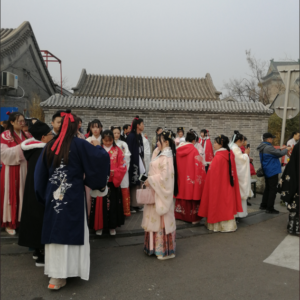
Chinese traditional clothing is one of the most vibrant and historically significant textile traditions globally. Far more than just garments, these outfits are living chronicles, reflecting millennia of diverse ethnic identities, regional customs, and the rise and fall of dynasties. This diversity makes the term Chinese traditional clothing a broad umbrella covering distinct styles, craftsmanship, and cultural meanings that continue to influence modern fashion worldwide.
I. Hanfu: The Core of Han Chinese Traditional Clothing
The largest and most historically recognized category of Chinese traditional clothing belongs to the Han ethnic group: Hanfu (汉服). Broadly defined, Hanfu encompasses the system of clothing developed by the Han people across Chinese history. Its core characteristics define its elegant and dignified style:
Cross-Collar (Jiaoling): The collar crosses over the chest.
Right-Fastening (Youren): The lapel fastens over the right side.
Concealed Ties: Garments are often secured using ties instead of buttons or zippers, lending a fluid silhouette.
A. A Dynastic Fashion Evolution
The style of Hanfu was in constant flux, adapting across two millennia, leading to rich variation that defines Chinese traditional clothing history:
| Dynasty | Representative Style | Key Characteristic |
| Pre-Qin & Han (c. 220 BC – 220 AD) | Shenyi (Deep Robe) and Quju (Curved Robe) | Focus on formality, deep, flowing robes that wrapped the body, embodying Confucian etiquette. |
| Tang Dynasty (618 – 907) | Ruqun (Blouse and Skirt) & Qixiongqun | Known for their grandeur, bright colors, and bold, often revealing necklines. The Qixiongqun (waist-high skirt) elevated the waistline dramatically. |
| Song Dynasty (960 – 1279) | Beizi (Long Open-Sided Jacket) | Shifted towards an understated, refined, and modest aesthetic. The Beizi was long, often with slits at the sides, symbolizing simplicity. |
| Ming Dynasty (1368 – 1644) | Aoqun (Short Jacket and Skirt) | Returned to earlier Han styles but added greater sophistication. Wide collars, pleating, and embroidery were prevalent, establishing a distinct Ming elegance. |
The study of these styles helps answer the question of what constitutes authentic Chinese traditional clothing across different eras.
II. The Impact of the Qing Dynasty and Modern Evolution
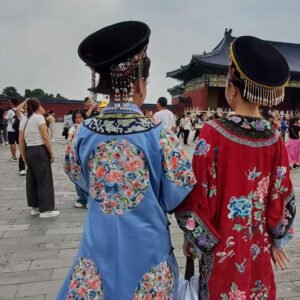
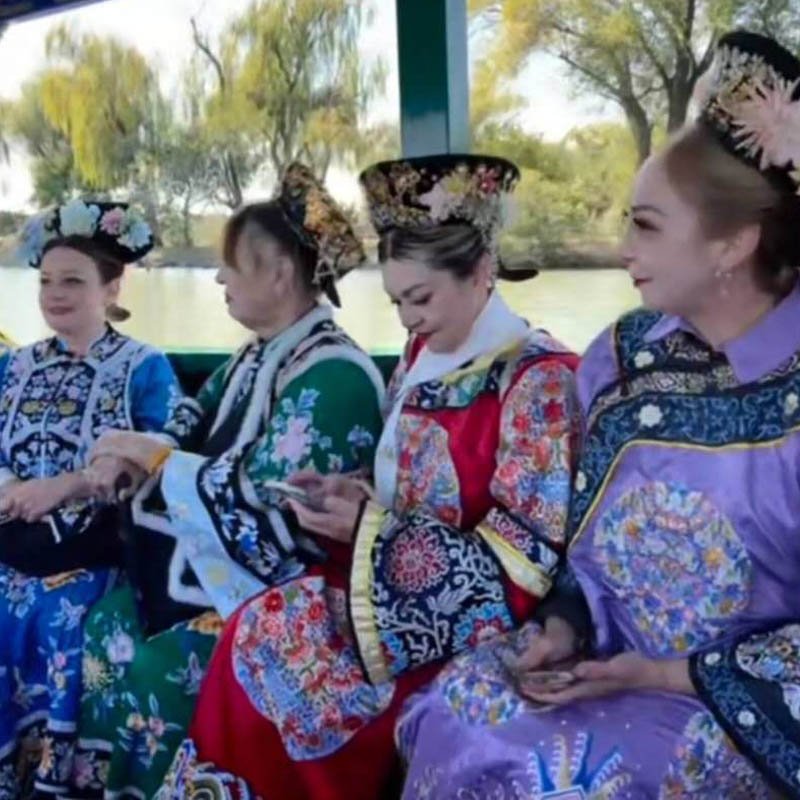
The fall of the Ming Dynasty and the rise of the Manchu-led Qing Dynasty (1644–1911) brought a significant shift to the dominant form of Chinese traditional clothing.
A. Manchu Influence: The Qipao/Cheongsam
The Manchu Qipao (Banner Gown) was initially a loose, straight-cut robe for Manchu women. After the 1911 revolution, during the Republic of China (1912–1949) era, this garment underwent a radical transformation in Shanghai. It evolved into the form recognized globally today: the Cheongsam (in Cantonese), characterized by its high mandarin collar, fitted silhouette, and high side slits.
The Cheongsam became the cosmopolitan symbol of Chinese femininity in the 20th century. While historically distinct from Hanfu, its modern prominence has cemented it as a global icon of Chinese traditional clothing.
B. The Zhongshan Suit (Mao Suit)
Another key modern symbol is the Zhongshan Suit, named after Sun Yat-sen (Sun Zhongshan). Emerging in the early 20th century, this suit was a fusion of Western military uniforms and traditional Chinese aesthetics. With its four pockets and stand-up collar, it represented modernization and national unity, becoming the official formal attire for men for much of the 20th century.
III. The Rich Tapestry of Ethnic Minority Clothing
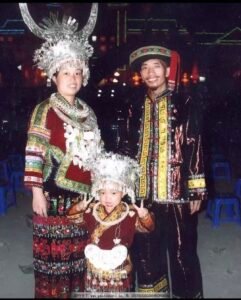
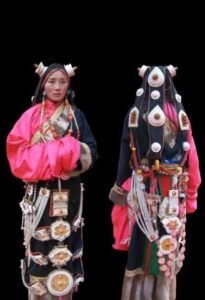
Beyond Hanfu, the definition of Chinese traditional clothing is enriched by the unique costumes of China’s 55 recognized ethnic minorities. These garments are often more brightly colored and elaborately decorated than Hanfu, reflecting specific regional environments, belief systems, and craftsmanship:
Miao: Famous for incredibly intricate silver ornaments and heavy embroidery, often depicting nature and mythical creatures.
Tibetan: Characterized by thick, long robes (Chuba) and vibrant sashes, designed for the high-altitude climate.
Mongolian: Feature layered coats and hats made of leather and felt, suited for nomadic life on the grasslands.
This diversity underscores the depth and complexity inherent in the study of Chinese traditional clothing.
IV. Cultural Significance and Contemporary Revival
Chinese traditional clothing holds profound cultural importance, connecting the present generation to their ancestral heritage.
A. Carriers of Culture and Status
Historically, clothing was the primary indicator of social status and profession (e.g., the elaborate dragon robes worn by emperors and standardized official robes). It was also the carrier of etiquette, with specific attire mandated for crucial rituals like weddings, funerals, and sacrificial ceremonies.
B. Repository of Craftsmanship
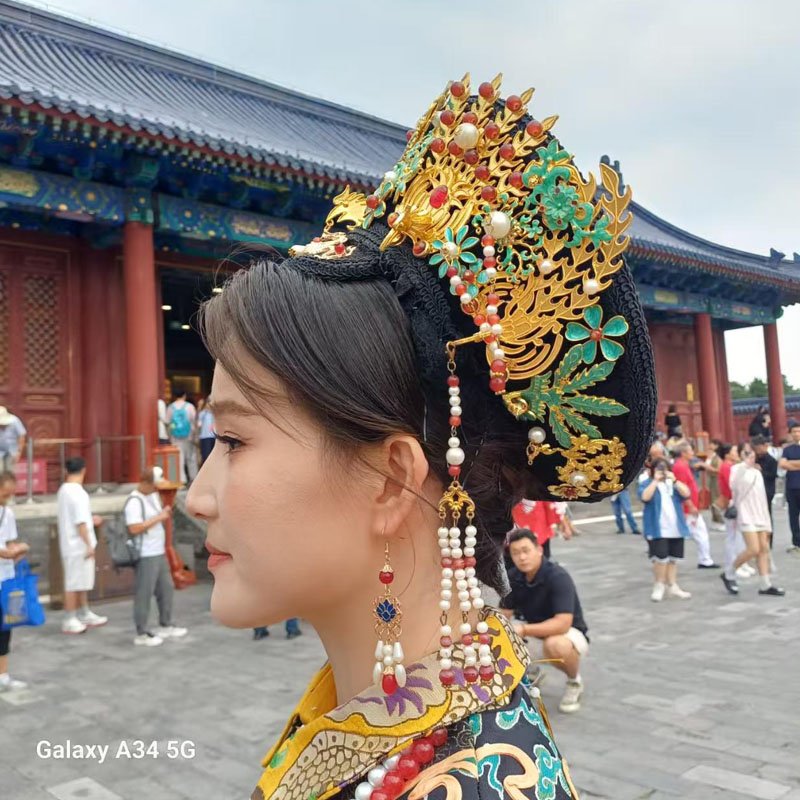
Each garment is a crystallization of specialized textile arts: embroidery (Su Xiu, Xiang Xiu), tapestry weaving (Kesi), tie-dyeing, and intricate weaving techniques are preserved within these clothing systems, making Chinese traditional clothing a museum of ancient textile technology.
C. Contemporary Impact and the Hanfu Movement
Today, Chinese traditional clothing maintains strong vitality:
It is a central feature in festivals, weddings, and artistic performances.
Designers frequently incorporate Chinese elements into international fashion, securing its global influence.
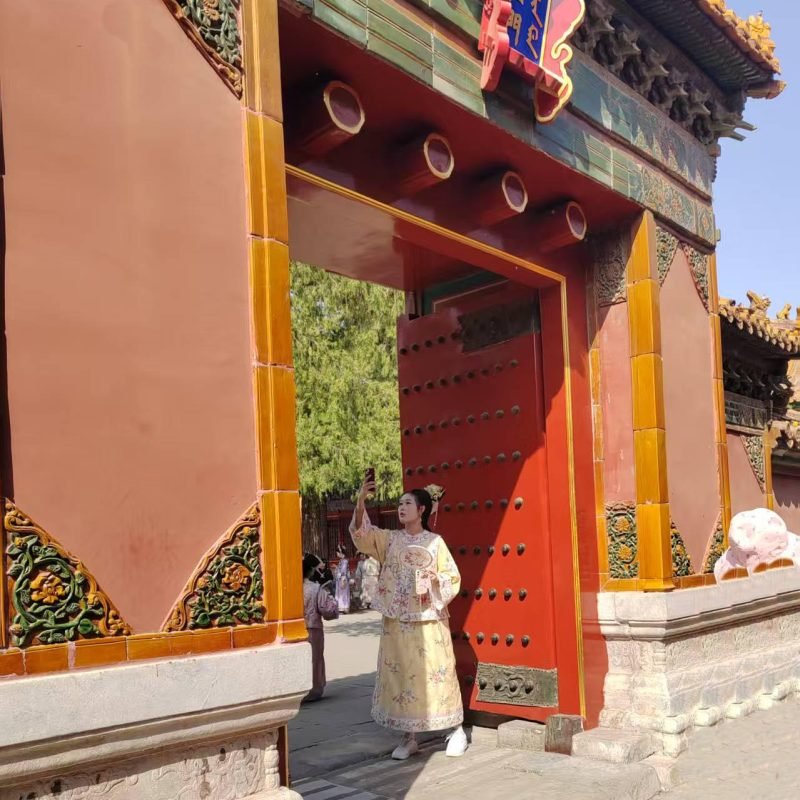
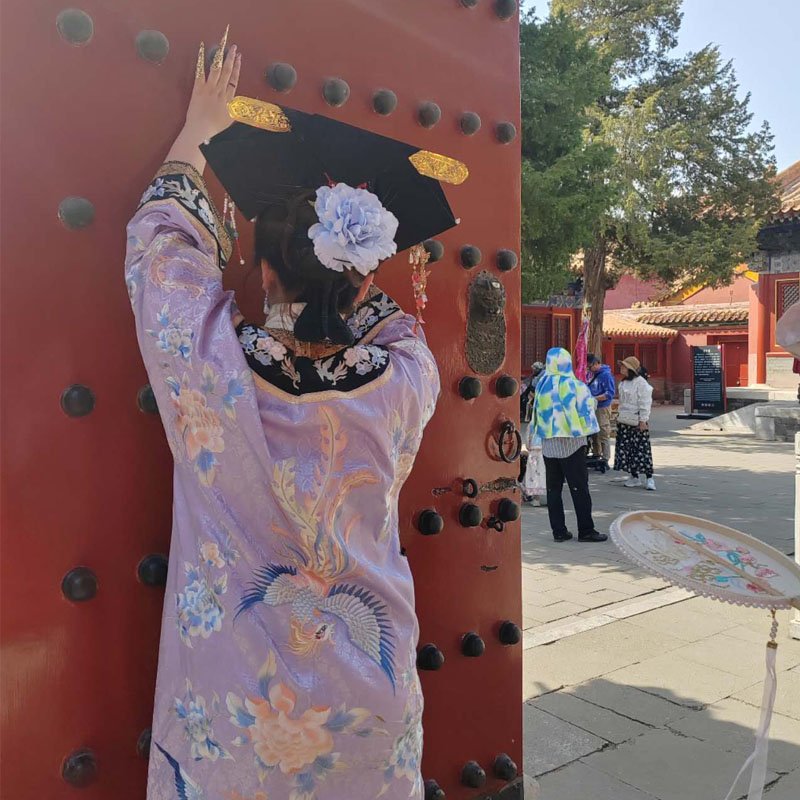
The Hanfu Movement is a significant modern phenomenon, where young people actively seek to wear historical Han styles in everyday life, not just as costume, demonstrating a powerful cultural revival of Chinese traditional clothing.
In conclusion, the legacy of Chinese traditional clothing is a powerful blend of historical memory, masterful craftsmanship, and contemporary innovation, ensuring its place as an enduring symbol of Chinese culture.